

Humans evolved late in Earth history. While this timing inspired the conclusion that humanlike life is a cosmic improbability, a new study pushes back.
Author: bioelectric

Why do skiers sunburn so easily on the slopes? A snow scientist explains Science + Tech – The Conversation
The powdery snow that skiers and snowboarders love, especially on crystal clear days, plays a big role in how much your skin will burn.

Cutting funding for science can have consequences for the economy, US technological competitiveness Science + Tech – The Conversation
The jury’s out on whether the US is still at the top of global science. Proposed cuts to major agencies could mean completely ceding that title.
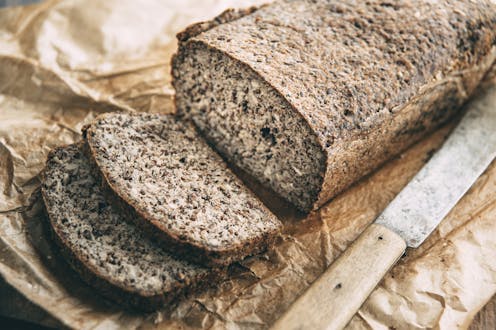
Many gluten-free foods are high in calories and sugar, low on fiber and protein, and they cost more − new research Health – The Conversation
Although gluten-free foods are trendy, they are a necessity only if you have celiac disease or wheat allergies.

Trans people affirmed their gender without medical help in medieval Europe − history shows how identity transcends medicine and law Health – The Conversation
Surgery was rare and risky in the medieval period. Though medical options were limited, trans people were able to take transitioning into their own hands.
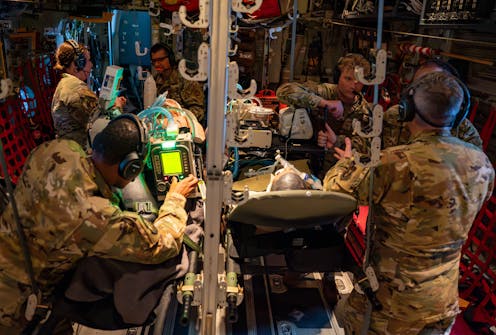
How medical treatments devised for war can quickly be implemented in US hospitals to save lives Health – The Conversation
How much oxygen does the military need for wounded soldiers? Turns out not much. Military-civilian research is paving the way for new developments.
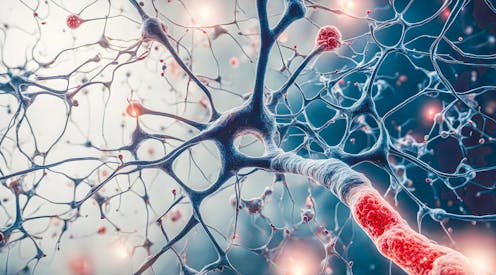
Traumatic brain injuries have toxic effects that last weeks after initial impact − an antioxidant material reduces this damage in mice Science + Tech – The Conversation
Addressing the harmful chemical processes that accompany blunt force trauma to the brain can reduce the risk of long-term disability.

CDC layoffs strike deeply at its ability to respond to the current flu, norovirus and measles outbreaks and other public health emergencies Health – The Conversation
The CDC was instrumental in eradicating smallpox, identifying the causes of HIV and encouraging Americans to get the COVID-19 shot.

Colliding plasma ejections from the Sun generate huge geomagnetic storms − studying them will help scientists monitor future space weather Science + Tech – The Conversation
While geomagnetic storms can lead to gorgeous aurora displays, they can also damage satellites and GPS.
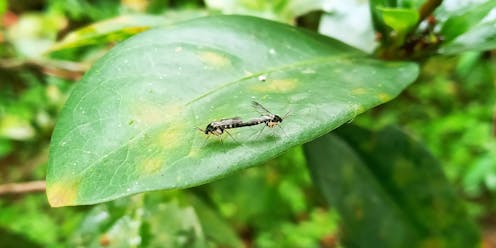
Making sex deadly for insects could control pests that carry disease and harm crops Science + Tech – The Conversation
Mosquitoes cause around a million deaths per year. So, scientists are coming up with genetic engineering techniques that could lower their numbers.