

The landmark study, which enrolled more than 160,000 participants and has informed public health guidelines for women over 50, is still making tremendous contributions to women’s health.
Category: Cancer Feeds
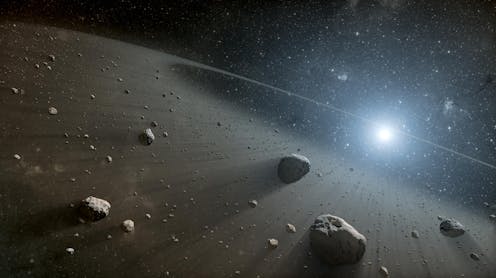
How was the Earth built? Science + Tech – The Conversation
The Earth started as a mixture of gas and dust around the Sun and grew as it collided with asteroids and dust particles.

Teachers and librarians are among those least likely to die by suicide − public health researchers offer insights on what this means for other professions Health – The Conversation
Nationally, about 11 male educators die by suicide for every 100,000 people, compared with a rate of almost 23 for all Americans.
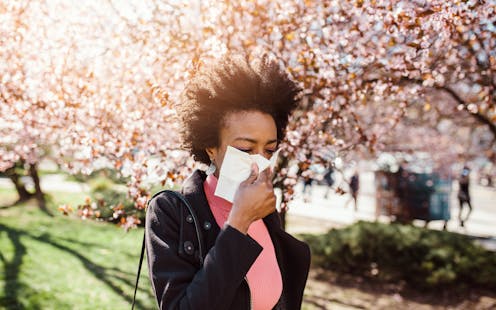
Worsening allergies aren’t your imagination − windy days create the perfect pollen storm Health – The Conversation
From sending more pollen airborne to breaking up pollen grains, which lets them penetrate deeper into your lungs, the wind is not the allergy sufferer’s friend.
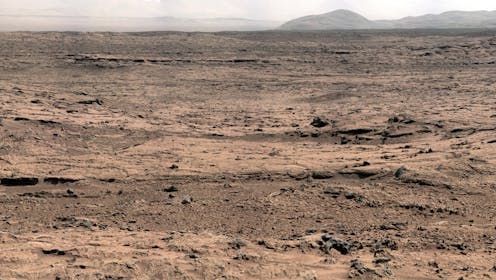
Ancient Mars may have had a carbon cycle − a new study suggests the red planet may have once been warmer, wetter and more favorable for life Science + Tech – The Conversation
NASA’s Curiosity rover has spotted carbon-containing minerals that can tell scientists more about what ancient Mars’ atmosphere may have looked like.

Running with a stroller: 2 biomechanics researchers on how it affects your form − and risk of injury Science + Tech – The Conversation
Pushing a stroller changes how runners move, lowering some injury risks while raising others. Here’s what the biomechanics data reveals.
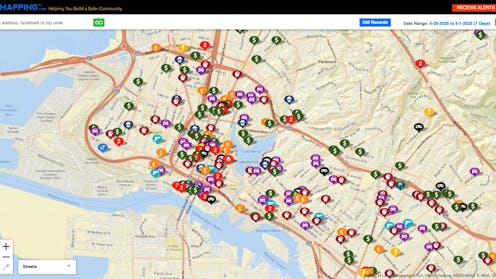
Predictive policing AI is on the rise − making it accountable to the public could curb its harmful effects Science + Tech – The Conversation
AI that anticipates where crimes are likely to occur and who might commit them has a troubling track record. Democratic accountability could shine a light on the technology and how it’s used.
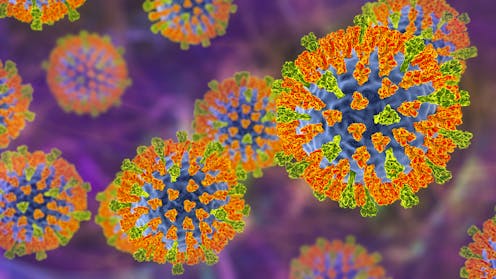
Measles could again become widespread as cases surge worldwide Health – The Conversation
The US eliminated measles in 2000, but the number of cases at home and abroad has experts worried.
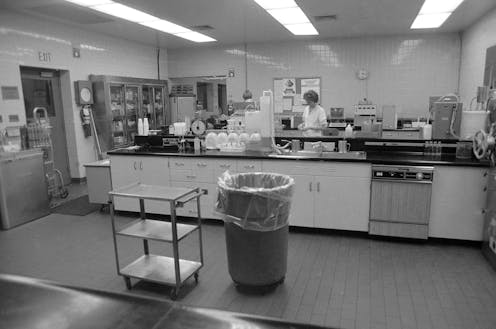
Contaminated milk from one plant in Illinois sickened thousands with ‘Salmonella’ in 1985 − as outbreaks rise in the US, lessons from this one remain true Science + Tech – The Conversation
The legal, political and public health consequences of the largest Salmonella outbreak in the US underscore the importance of food safety inspections and disease surveillance.

Spacecraft can ‘brake’ in space using drag − advancing craft agility, space safety and planetary missions Science + Tech – The Conversation
An aerospace engineer explains why NASA, Space Force and other agencies are using or testing aerobraking for more fuel-efficient spacecraft.