

Animals can learn from each other, maintaining their cultures for long periods of time. What sets people apart may be the uniquely open-ended ways we invent new ideas and share and build on them.

Insomnia can lead to heart issues − a psychologist recommends changes that can improve sleep Health – The Conversation
Insomnia and bad sleep can lead to high blood pressure and increase hormone levels and inflammation.

5 years on, true counts of COVID-19 deaths remain elusive − and research is hobbled by lack of data Health – The Conversation
Death data in the US is fragmented, incomplete and inconsistent. The consequences of undercounted deaths and lack of real-time tracking continue to be felt with each new public health crisis.

Atlantic sturgeon were fished almost to extinction − ancient DNA reveals how Chesapeake Bay population changed over centuries Science + Tech – The Conversation
Research that combined archaeology, history and ecology provides a nuanced understanding of the past that could help conservationists better plan for the future.

What causes the powerful winds that fuel dust storms, wildfires and blizzards? A weather scientist explains Science + Tech – The Conversation
One long line of powerful winds can whip up dust storms, spread wildfires, spin up tornadoes and fuel blizzards – all at the same time across different states.
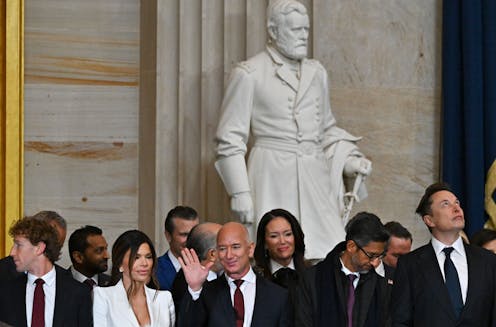
Digital imperialism: How US social media firms are using American law to challenge global tech regulation Science + Tech – The Conversation
Trump Media and Rumble joining X in legal fight against the Brazilian Supreme Court marks a new era of deregulation pushes.

Cuts to research into inequality, disparities and other DEIA topics harm science Science + Tech – The Conversation
From HIV treatments to school desegregation, research into topics now considered DEIA have benefited Americans throughout history.
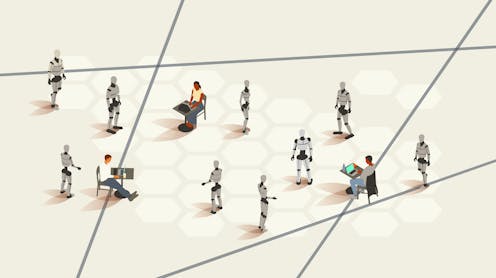
Helper bots in online communities diminish human interaction Science + Tech – The Conversation
Bots that reply to online posts can help people connect with each other, but at the same time they also interfere with people communicating with each other.
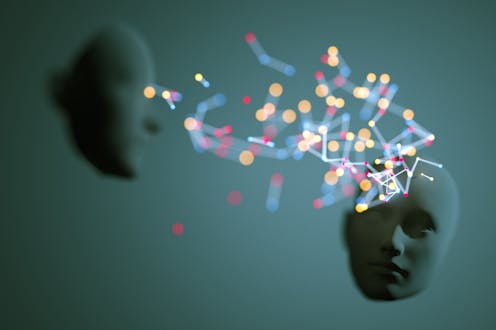
What are AI hallucinations? Why AIs sometimes make things up Science + Tech – The Conversation
When AI systems try to bridge gaps in their training data, the results can be wildly off the mark: fabrications and non sequiturs researchers call hallucinations.

Poor neighborhoods, health care barriers are factors for heart disease risk in Black mothers Health – The Conversation
Communities with unstable housing, food deserts and less access to health care contribute to the problem.