

Although gluten-free foods are trendy, they are a necessity only if you have celiac disease or wheat allergies.

Trans people affirmed their gender without medical help in medieval Europe − history shows how identity transcends medicine and law Health – The Conversation
Surgery was rare and risky in the medieval period. Though medical options were limited, trans people were able to take transitioning into their own hands.
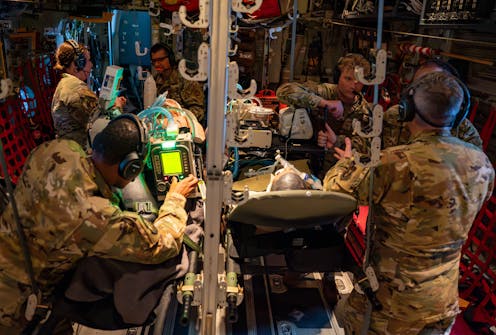
How medical treatments devised for war can quickly be implemented in US hospitals to save lives Health – The Conversation
How much oxygen does the military need for wounded soldiers? Turns out not much. Military-civilian research is paving the way for new developments.

Traumatic brain injuries have toxic effects that last weeks after initial impact − an antioxidant material reduces this damage in mice Science + Tech – The Conversation
Addressing the harmful chemical processes that accompany blunt force trauma to the brain can reduce the risk of long-term disability.

CDC layoffs strike deeply at its ability to respond to the current flu, norovirus and measles outbreaks and other public health emergencies Health – The Conversation
The CDC was instrumental in eradicating smallpox, identifying the causes of HIV and encouraging Americans to get the COVID-19 shot.

Colliding plasma ejections from the Sun generate huge geomagnetic storms − studying them will help scientists monitor future space weather Science + Tech – The Conversation
While geomagnetic storms can lead to gorgeous aurora displays, they can also damage satellites and GPS.
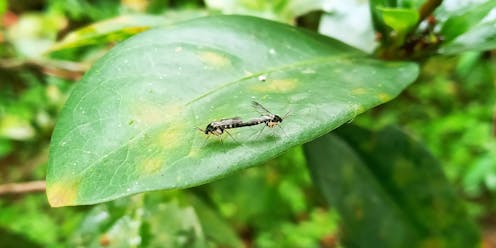
Making sex deadly for insects could control pests that carry disease and harm crops Science + Tech – The Conversation
Mosquitoes cause around a million deaths per year. So, scientists are coming up with genetic engineering techniques that could lower their numbers.

Survey shows immigrants in Florida – even US citizens – are less likely to seek health care after passage of anti-immigrant laws Health – The Conversation
A survey of hundreds of Floridians found that nearly two-thirds of non-US citizens and one-third of US citizens hesitated to seek medical care.
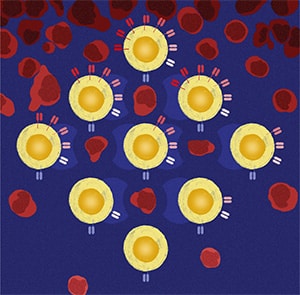
Editors’ Picks, February 2025: Improving CAR T, Studying Breast Cancer Risk, and More American Association for Cancer Research (AACR)
This month, the editors of AACR’s journals show their love for studies about CAR T-cell efficacy, breast cancer risk, and more.
The post Editors’ Picks, February 2025: Improving CAR T, Studying Breast Cancer Risk, and More appeared first on American Association for Cancer Research (AACR).
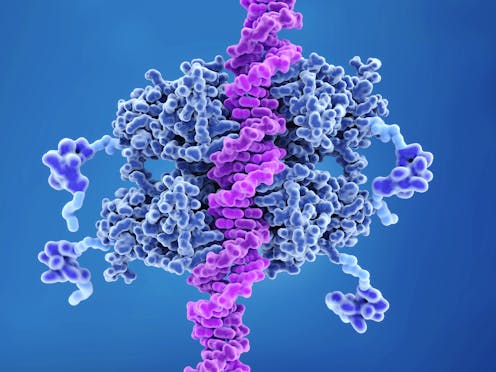
p53 is both your genome’s guardian and weakness against cancer – scientists are trying to repair or replace it when it goes awry Science + Tech – The Conversation
The gene that codes for p53 is the most frequently mutated in cancer. Researchers are targeting different parts of its complex pathway to restore its ability to stop cancer.